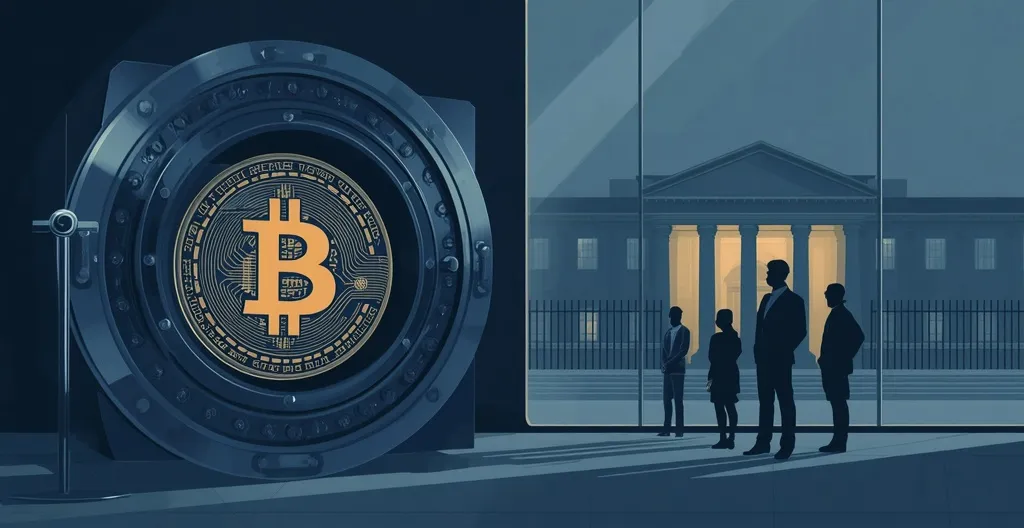
More than 60, 000 BTC seized by British authorities are at the center of a dispute involving thousands of Chinese investors who say they lost money in an investment fraud. A claim that the U.K. High Court has chosen Chinese law to govern their ownership claims remains unverified. The latest cited report, published by Caixin Global on June 8, 2026, said a hearing on the issue was still to come.
- Caixin reported that 16, 000 Chinese victims registered claims in the U.K.
- The Crown Prosecution Service says authorities seized more than 60, 000 BTC.
- Choosing which country’s law applies would not, by itself, decide who owns the Bitcoin.
- No judgment or later reliable report cited here confirms the reported October 12, 2026 ruling.
A consequential ruling claim, still unconfirmed
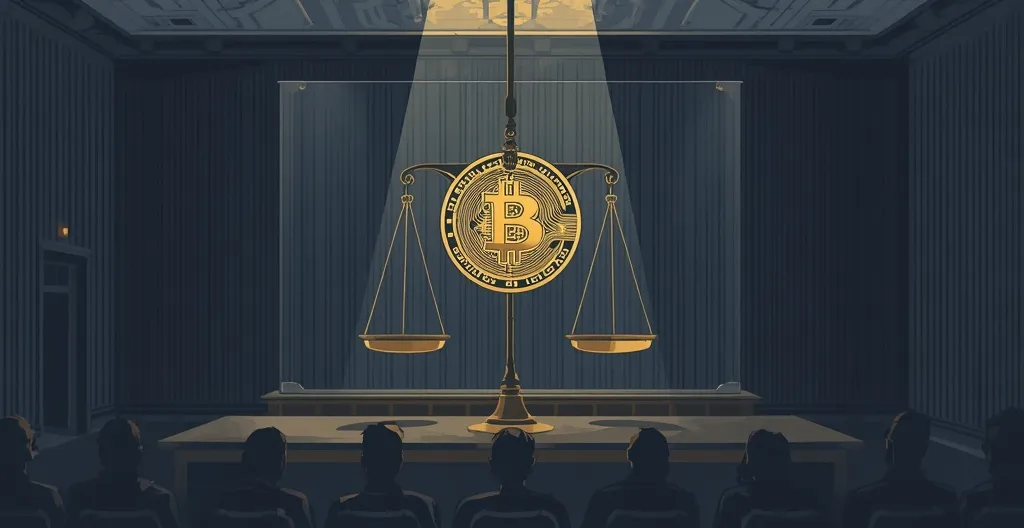
Caixin reported on June 8, 2026, that a July hearing would consider which country’s law should govern the investors’ claims. The report came before the alleged October 12, 2026 decision and does not confirm that a ruling was later issued. No judgment or post-hearing report cited here verifies that the High Court chose Chinese law.
The distinction matters. A choice-of-law decision answers a preliminary question: which jurisdiction’s rules apply to a legal dispute? It does not automatically decide whether investors own the Bitcoin or how any recovered assets should be distributed.
The exact amount also needs care. The Crown Prosecution Service (CPS) says the seizure involved “over 60, 000 Bitcoin, ” while Caixin refers to 60, 000. Those accounts support the broad figure, but not the more precise claim of over 61, 000 BTC.
The fraud and the seized Bitcoin
Caixin reports that Tianjin Lantian Gerui Electronic Technology operated from 2014 to 2017 and raised more than 40 billion yuan, about $5.9 billion, from nearly 130, 000 investors. The company promoted returns tied to digital currencies, senior care services and other ventures.
The CPS says the fraud involved more than 128, 000 victims and caused losses of approximately £600 million. Caixin reports the amount raised separately. These figures measure different things, so they should not be treated as interchangeable.
The CPS says Qian Zhimin converted around £20.2 million in illegally obtained money into Bitcoin. That is not the same as the amount raised by the scheme, the total losses reported by the CPS or the value of the cryptocurrency later seized. The sources do not explain how the £20.2 million figure relates to the more than 60, 000 BTC.
According to the CPS, prosecutors argued that the scale of the Bitcoin holdings, the lack of legitimate evidence explaining how they were acquired and their connection to the Chinese fraud showed that the cryptocurrency was criminal property. That is the prosecution’s position. It does not establish which victims, if any, are entitled to the Bitcoin.
Caixin reports that Qian was sentenced in the U.K. to 11 years and eight months for Bitcoin money laundering. The CPS says Qian and Senghok Ling were arrested in April 2024. Authorities seized encrypted devices, cash, gold and additional cryptocurrency at the time.
Why the applicable law could matter
The investors are seeking a share of assets linked to the fraud. Their reported approach involves tracing money from the scheme into Bitcoin bought with it. A claim to the Bitcoin itself could seek a share of the traced cryptocurrency or its value. A claim for money lost may be assessed differently.
Neither route guarantees a particular recovery. The available reporting does not establish that English property law would give investors ownership of the Bitcoin, or that Chinese law would limit them to their original contributions and interest. Those are possible legal outcomes, not rulings confirmed by the reports cited here. A related court decision applying Chinese law to Bitcoin fraud claims also leaves ownership and payouts as separate questions.
The CPS has put the value of the cryptocurrency and other assets in the proceedings at around £4.8 billion. Caixin has reported separate dollar valuations for the Bitcoin. The figures cover different assets, and the reports do not give comparable valuation dates. They should not be treated as one current estimate of what victims might recover.
Key questions and answers
-
Did the High Court rule that Chinese law applies?
The reports cited here do not confirm that claim. Caixin’s June 8, 2026 report said a July hearing on the applicable law was still to come.
-
Has the court decided who owns the Bitcoin?
No ownership decision is confirmed. A choice-of-law ruling alone would not decide who owns the seized assets.
-
How much Bitcoin was seized?
The CPS says more than 60, 000 BTC. The reports cited here do not confirm the more precise figure of over 61, 000 BTC.
-
How many victims registered claims in the U.K.?
Caixin reported that 16, 000 Chinese victims registered claims. The CPS says the broader fraud involved more than 128, 000 victims.
-
Could victims recover Bitcoin’s price gains?
That remains unresolved. The available reporting does not establish whether claimants could receive Bitcoin, its value or another form of recovery.
The key questions are who is entitled to the seized Bitcoin and what remedy, if any, the investors can obtain. The cited accounts confirm neither the ownership outcome nor the reported October ruling. Related proceedings include the U.K. High Court seizure of Bitcoin from a fugitive crime boss.