Visa Survey: 46% of APAC Respondents Say They May Use Stablecoins Within Five Years
A Visa survey found interest in using stablecoins for payments across Asia Pacific, alongside a wide gap between awareness and understanding and ongoing concerns about scams.
- 46% of respondents said they were likely to use stablecoins within five years; 16% said they had used them in the previous 12 months.
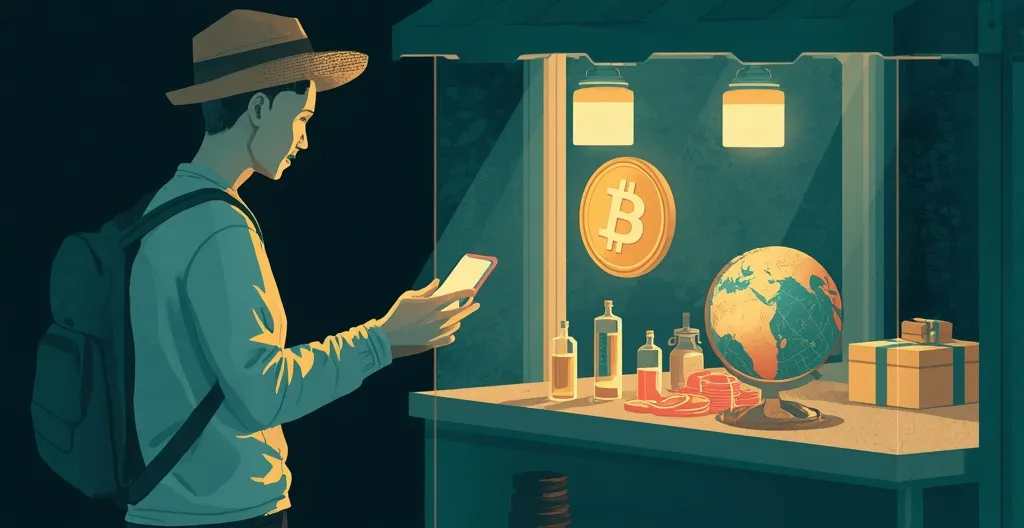
- Respondents considered using stablecoins for online purchases, travel and cross-border transfers.
- Among non-users, 38% cited fraud and scams, while 36% cited a lack of understanding.
- Many respondents preferred government-linked entities or regulated financial institutions as providers.
Interest is not the same as adoption
Visa says its Consumer 360 study surveyed 14, 250 people aged 18 to 65 across 14 markets in June and July 2026. Of those surveyed, 46% said they were likely to use stablecoins in the next five years. By comparison, 16% said they had used them in the past 12 months. That five-year horizon points to 2031.
The 46% figure reflects stated intent, not future behavior. It does not tell us how many people will actually use stablecoins for payments, or how often. The available findings do not name the 14 markets or explain how respondents were recruited or whether the results were weighted.
Stablecoins are digital assets designed to track the value of something else, often a currency such as the U.S. dollar. Their target value is not guaranteed. Stability depends on factors such as the issuer, reserves and redemption arrangements, and a stablecoin can lose its peg. Visa’s findings do not say which stablecoins respondents were asked about.
Everyday use starts with familiar payment needs
Respondents pointed to online purchases, travel spending and cross-border transfers as possible uses. Separately, 49% thought stablecoins could become common for international money movement within five years.
For cross-border payments, the practical questions are straightforward: what fees apply, how users can convert a digital asset into local currency, and whether the recipient can easily spend the money. The survey shows consumer interest. It does not establish that stablecoin services are available everywhere, or that they will be cheaper or faster than existing options.
Nischint Sanghavi, Visa’s Head of Digital Currencies, Asia Pacific, said consumers were starting to see how stablecoins could support the spending habits they already have.
“We’re seeing a meaningful shift in how consumers across Asia Pacific think about stablecoins. Consumers are beginning to see how stablecoins could support the ways they already spend and move money, particularly through online purchases, travel and cross-border transfers. The opportunity now is to turn that interest into trusted and familiar payment experiences that work at scale.”
Sanghavi’s comments describe the opportunity Visa sees. The survey findings do not name a specific Visa product or technical approach, or give a launch date or market rollout plan.
Awareness does not mean people understand the risks
Visa reported that 66% of respondents were aware of stablecoins, while 6% showed an accurate understanding of how they work. The study summary does not explain how understanding was assessed. The two figures are best treated as separate reported measures, not as a precise test of the gap between awareness and understanding.
Among non-users, 38% cited fraud and scams as a concern, and 36% cited a lack of understanding. These concerns go beyond unfamiliar terminology. People need to know how to identify legitimate services and what recourse they have if funds are lost or a payment goes wrong.
Government or central bank entities were named as trusted providers by 27% of respondents, while 26% preferred banks or regulated financial institutions. The results point to a preference for familiar institutions, but they do not show whether those providers would offer the privacy, transparency or protections users expect. A recognized brand is no substitute for clear rules and accountability.
Awareness and intent differ by market
Awareness was highest in Hong Kong at 84%, followed by India at 80% and Thailand at 77%. Stated intent to use stablecoins was highest in Vietnam and India, at 67% in each market.
The figures measure different things. Knowing about stablecoins does not mean someone intends to use them. And market-level results do not show whether respondents can access suitable services or will act on that intention.
Visa Stablecoin Survey: Key Questions
-
Does 46% mean nearly half of APAC consumers already use stablecoins?
No. That is the share of surveyed respondents who said they were likely to use stablecoins within five years. Visa reported that 16% had used them in the previous 12 months.
-
Which uses interested respondents?
Online purchases, travel spending and cross-border transfers. The findings do not name specific stablecoins or payment services.
-
What concerns did non-users report?
Fraud and scams, cited by 38%, and a lack of understanding, cited by 36%.
-
Which providers did respondents trust?
Government or central bank entities were named by 27% of respondents, and banks or regulated financial institutions by 26%.
-
Has Visa announced a stablecoin product or launch plan?
The survey findings provide no specific product, launch date or market rollout plan. Sanghavi described the goal of creating trusted payment experiences but did not outline a particular launch.
Visa’s findings point to consumer curiosity about stablecoins for familiar payment needs. Turning that interest into lasting use will take more than making the technology available. People need to understand what they are using, know which protections apply and have a reliable way to spend or redeem the value.