Samsung Is Bringing USDC Transfers to Galaxy Phones. Who Can Use Them?
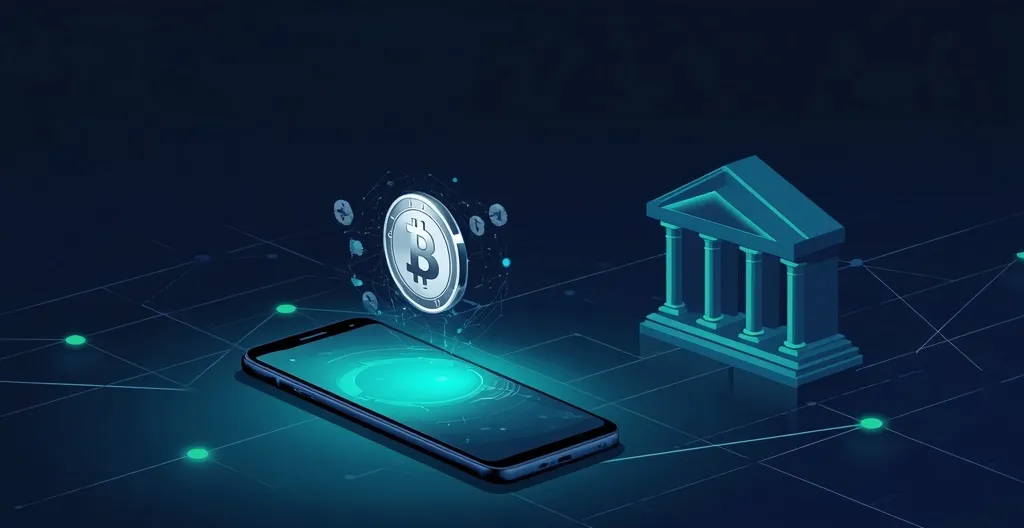
Samsung plans to add USDC transfers to Samsung Wallet in the last week of October 2026. The service is for eligible U.S. Galaxy users, but owning a compatible phone won’t be enough. The announcement also leaves key questions about costs, supported routes and customer remedies unanswered.
- Eligibility: U.S. residents aged 18 or older who meet Samsung’s device, account and verification requirements.
- Planned transfers: USDC to compatible crypto wallets, or local-currency payouts to eligible bank accounts in more than 60 countries.
- Infrastructure: Bastion provides the stablecoin service, with Coinbase Prime Vault named as its subcustodian.
- 82 million devices: Samsung’s estimate of compatible U.S. devices, not a count of eligible or active users.
Who can use Samsung’s USDC transfers?
In its October 7 announcement, Samsung says the planned service is for U.S. residents aged 18 or older. Users will also need a Samsung account, a compatible Galaxy device running Android 13 or later, identity verification and biometric setup.
Samsung says 82 million U.S. Galaxy devices are compatible. That figure reflects potential hardware reach. It doesn’t count unique owners, people who meet the other eligibility rules, completed sign-ups or active senders.
The company plans to begin the rollout in the last week of October 2026. That’s a launch plan, not confirmation that the service is already available.
What can users send, and where?
USDC is the first supported stablecoin. Issued by Circle, it is designed to track the U.S. dollar. That target value does not remove risks involving the issuer, custody, liquidity or the services used to buy, transfer or convert USDC.
Samsung describes two planned routes: users can send USDC to a compatible external crypto wallet or exchange account, or send value to an eligible bank account in more than 60 countries. Bank recipients may receive local currency rather than USDC.
These transfers work differently. A wallet transfer sends a crypto asset over a blockchain network. A bank payout also depends on local payment providers and may involve currency conversion and checks on the receiving account.
For an external-wallet transfer, the recipient must support USDC on a blockchain network supported by Samsung Wallet. Samsung names Solana and Sui as infrastructure partners, but the announcement doesn’t list every network, wallet or destination combination available at launch. A token’s name alone doesn’t guarantee that a particular deposit route is compatible.
What will a transfer cost?
Samsung says it charges no transfer fee for eligible USDC transfers to external wallets. That doesn’t mean every part of the transaction is free. A receiving wallet or exchange may charge its own fee, and Samsung says transfer speed depends on network conditions.
The announcement doesn’t say whether users will pay blockchain network costs or whether the service will cover them. It also doesn’t spell out the full cost of buying USDC, converting it or cashing it out. Samsung says USDC will appear as the default dollar stablecoin when a user selects “Buy Stablecoin, ” but doesn’t describe all funding methods or their costs.
For bank payouts, Samsung confirms that eligible accounts in more than 60 countries can receive funds, potentially in local currency. The announcement doesn’t provide a complete pricing schedule, explain how exchange rates will be handled or estimate delivery times by destination. The amount a recipient gets can depend on conversion rates and the providers involved, not just the advertised transfer fee.
Who safeguards the funds?
Samsung provides the Wallet interface and device-based authentication. The company says stablecoin accounts run on Bastion and identifies Coinbase as Bastion’s official subcustodian, safeguarding USDC through Coinbase Prime Vault. Circle issues USDC. Issuance and custody are separate roles.
A subcustodian safeguards assets for another custody provider. With this setup, users rely on third parties to handle custody and parts of the service, rather than personally managing private keys through Samsung Wallet. Samsung executive Woncheol Chai described the convenience Samsung is aiming for as letting users get started “without installing another app or managing private keys themselves.” That convenience makes account recovery, access restrictions and dispute procedures important, too.
Samsung describes Bastion as a licensed provider overseen by U.S. financial regulators. It says Bastion Platforms Trust Company, LLC holds a New York trust charter for stablecoin issuance and has preliminary conditional approval from the Office of the Comptroller of the Currency for a national trust bank charter. Conditional preliminary approval is not the same as an unconditional national charter. The announcement doesn’t say Bastion issues the USDC used in Samsung Wallet.
The announcement identifies the companies’ roles, but doesn’t explain how customer assets are segregated, who is responsible for each kind of loss or delay, or what remedies users have if an account problem or mistaken transfer occurs.
What remains unclear before launch?
Samsung hasn’t provided a full list of supported countries, banks, wallets or blockchain routes. The announcement also leaves open how exchange rates and network costs will be handled, what happens when a bank payout is rejected, how long refunds might take and how users can recover access after losing a device or account.
These questions matter. A biometric check can help authorize a transfer, but it can’t guarantee that a recipient address is correct or resolve a delayed payment. The practical test will be whether users can see the full cost before confirming, send funds to the destinations they need and get clear help when something goes wrong.
Samsung presents online and in-store stablecoin payments as possible future capabilities, not features promised for the initial rollout. The company also says it may expand to additional markets, subject to regulatory developments.
Key questions and answers
-
Who is eligible?
U.S. residents aged 18 or older with a Samsung account, a compatible Galaxy device running Android 13 or later, identity verification and biometric setup.
-
Can users send USDC to any wallet?
No. The receiving wallet or exchange must support USDC on a network supported by Samsung Wallet. Samsung hasn’t listed every route available at launch.
-
Is an external-wallet transfer free?
Samsung says it charges no transfer fee for eligible sends, but the receiving provider may charge a fee. The announcement doesn’t clarify who pays any blockchain network costs or what it costs to buy or convert USDC.
-
Does the 82 million figure represent users?
No. It is Samsung’s estimate of compatible U.S. Galaxy devices, not a count of eligible customers, sign-ups or active senders.
Samsung Wallet’s Coinbase integration is a separate development. Stablecoin support in that context remains unverified.